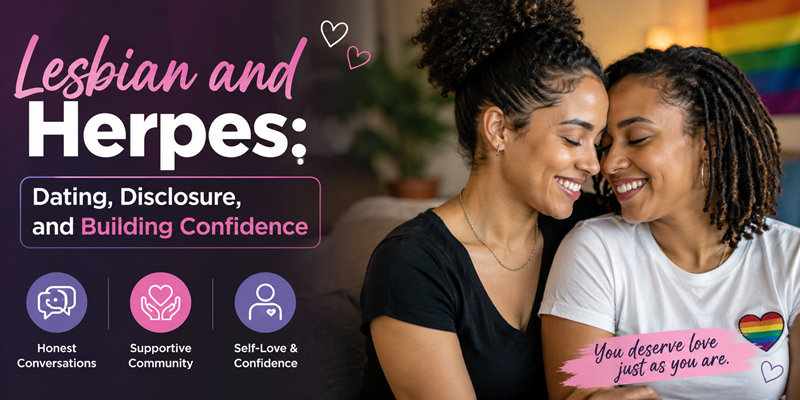
Receiving a herpes diagnosis can bring up many emotions, especially when you’re navigating dating within the LGBTQ+ community. Many women worry about rejection, disclosure, or whether they will ever experience a fulfilling relationship again. The reality is very different. Thousands of lesbian women living with HSV have built loving, lasting partnerships based on honesty, communication, and mutual respect. Lesbian Herpes Dating is not about settling for less—it’s about building relationships with confidence, understanding your health, and connecting with people who value you for who you are. A herpes diagnosis does not define your personality, your future, or your ability to experience genuine love.
Understanding Herpes in Lesbian Relationships
Herpes simplex virus (HSV) is one of the most common viral infections worldwide. According to the World Health Organization (WHO), billions of people under age 50 carry HSV-1, while hundreds of millions live with HSV-2. Many people never experience noticeable symptoms and may not even know they have the virus.
Within lesbian relationships, there are still misconceptions about herpes transmission. Some believe same-sex female couples are at little or no risk, but HSV can spread through skin-to-skin contact, oral sex, genital contact, and sharing certain intimate items during an active outbreak.
Learning accurate information replaces fear with confidence. Reliable knowledge is the first step toward building Positive Lesbian Relationships based on trust instead of anxiety.
Why Confidence Matters More Than Your Diagnosis
Many women discover that the emotional impact of herpes feels larger than the physical symptoms. Society has created unnecessary stigma around HSV, leading many people to feel embarrassed despite the infection being extremely common.
Confidence doesn’t mean pretending herpes doesn’t exist. It means understanding that your diagnosis is only one small part of your life.
Building Herpes Disclosure Confidence starts with accepting yourself first. When you view yourself as worthy of love, your conversations become calmer, more honest, and much more successful.
People are attracted to authenticity, kindness, humor, emotional maturity, and compatibility—not simply medical history.
Dating as a Lesbian After an HSV Diagnosis
Starting to date again can feel intimidating after learning you have herpes. Many women worry about when to disclose, how someone might respond, or whether dating apps are still worth using.
The truth is that healthy dating begins with realistic expectations.
You don’t have to tell someone before your first conversation. Instead, focus on getting to know each other naturally. Emotional compatibility, shared interests, and mutual respect are the foundations of every successful relationship.
When intimacy becomes a possibility, that’s generally the appropriate time to have an honest discussion.
Many women discover that Confident Lesbian Dating becomes much easier once they stop assuming rejection before allowing someone to respond.
Having the Disclosure Conversation
Disclosure is often the most stressful part of dating, but preparation can make it much easier.
Choose a private, relaxed environment where both of you can talk without distractions. Speak calmly and confidently rather than apologetically.
Building HSV Relationship Confidence comes from understanding that disclosure is not asking for permission to be loved. It is simply sharing important health information with someone you care about.
Many partners appreciate honesty more than perfection.
Reducing Transmission While Maintaining Intimacy
Having herpes does not mean giving up intimacy.
Many couples successfully maintain healthy relationships while reducing transmission risk through practical steps, including:
- Avoiding intimacy during outbreaks.
- Taking prescribed antiviral medication when recommended by a healthcare provider.
- Using barrier protection, such as dental dams, when appropriate.
- Maintaining open communication about symptoms.
- Attending regular medical checkups.
These practices help support Healthy Lesbian Relationships built on shared responsibility instead of fear.
Building Emotional Strength
Confidence grows over time through self-care and education.
Many women benefit from:
Reading reliable medical resources.
Connecting with supportive LGBTQ+ communities.
Talking with healthcare professionals.
Joining herpes support groups.
Speaking openly with trusted friends.
Developing Lesbian HSV Support networks reminds you that you are far from alone. Hearing other women’s experiences often replaces fear with hope.
Finding Love Without Shame
One of the biggest myths about herpes is that relationships become impossible.
In reality, countless couples build meaningful partnerships after disclosure. Some partners already have HSV. Others simply recognize that every relationship involves some level of vulnerability and trust.
Healthy love isn’t built by avoiding difficult conversations.
It’s built by having them honestly.
When both people communicate openly, herpes often becomes a much smaller part of the relationship than either person initially expected.
This perspective helps create lasting HSV Positive Love based on trust rather than secrecy.
Lesbian Dating Advice That Builds Healthy Relationships
Every relationship grows through communication.
Good Lesbian Dating Advice includes discussing expectations early, respecting each other’s boundaries, supporting one another emotionally, continuing to learn about sexual health together, and approaching challenges as a team rather than individuals.
Herpes should become one conversation within a much larger relationship—not the entire relationship itself.
Couples who communicate honestly often build stronger emotional connections because they learn to navigate vulnerable conversations together.
What Research and Experts Say
Medical organizations consistently emphasize that herpes is a manageable condition rather than a life-defining illness.
Trusted sources including:
- World Health Organization (WHO)
- Centers for Disease Control and Prevention (CDC)
- American Sexual Health Association (ASHA)
all encourage education, honest communication, routine healthcare, and reducing stigma through accurate information.
Healthcare professionals also recognize that emotional well-being plays a major role in successful herpes management. Mental health support, community engagement, and healthy relationships all contribute to improved quality of life.
Community Source
Many women living with HSV find encouragement through supportive communities where members share real experiences about disclosure, relationships, and emotional healing.
Organizations such as the American Sexual Health Association (ASHA) provide educational resources, while LGBTQ+ community centers and online HSV support communities offer safe spaces to discuss concerns without judgment. These communities remind individuals that herpes is a common medical condition and that meaningful relationships remain completely achievable.
Frequently Asked Questions
Can lesbian couples transmit herpes?
Yes. HSV can spread through skin-to-skin contact, oral sex, genital contact, and contact during active outbreaks. Learning about prevention helps reduce risk significantly.
When should I tell someone I have herpes?
Most healthcare professionals recommend discussing herpes before sexual intimacy, once mutual interest and trust have developed.
Will herpes stop me from finding love?
No. Many women living with HSV enjoy healthy, long-term relationships. Honest communication and confidence often matter much more than the diagnosis itself.
Is herpes common among lesbians?
HSV affects people of every sexual orientation. The virus does not discriminate based on gender or identity.
How can I become more confident after a diagnosis?
Educate yourself using reliable medical resources, connect with supportive communities, prioritize your mental health, and remember that herpes is a manageable condition—not a measure of your worth.
Final Thoughts
A herpes diagnosis may change some conversations, but it does not change your ability to experience love, intimacy, or meaningful relationships. Through Lesbian Herpes Dating, honest communication, growing Herpes Disclosure Confidence, building HSV Relationship Confidence, and embracing HSV Positive Love, countless women continue to build happy and fulfilling lives.
Confidence grows one conversation at a time. The more you learn, communicate openly, and surround yourself with supportive people, the easier dating becomes. Herpes is only one chapter of your story—not the ending. Your future can still include trust, laughter, intimacy, and deeply Healthy Lesbian Relationships built on honesty and genuine connection.