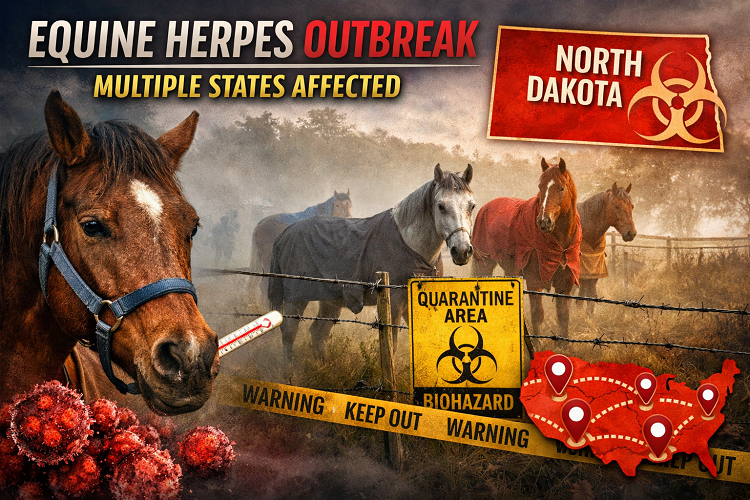
Equine Herpes Detected in Multiple States, North Dakota Notified
Equine Herpes has recently been detected in multiple U.S. states, prompting heightened awareness and official notifications, including in North Dakota. While equine herpesvirus (EHV) is not new to the horse community, outbreaks involving the neurological form can cause serious health consequences, movement restrictions, and emotional stress for horse owners, trainers, and breeders.
This article provides a comprehensive overview of equine herpes, explains why multi-state detection matters, outlines symptoms and transmission, and highlights prevention strategies, response measures, and community resources available to support horse owners during this time.
Understanding Equine Herpesvirus (EHV)
Equine herpes virus is a highly contagious viral disease affecting horses, donkeys, and related equids. Several strains exist, but the most commonly discussed are EHV-1 and EHV-4.
Common Types of Equine Herpesvirus
- EHV-1
Associated with respiratory illness, abortion in pregnant mares, and neurological disease (EHM). - EHV-4
Primarily causes respiratory illness, especially in young horses. - Other strains (EHV-2, EHV-3, EHV-5)
Less common but can still cause illness or skin lesions.
The greatest concern during multi-state detections is EHV-1, particularly when it progresses to Equine Herpesvirus Myeloencephalopathy (EHM), the neurological form of the disease.
Read more: Balancing Work and Love: Herpes Dating Tips for Professionals
Why Multi-State Detection Is Concerning
The detection of equine herpes across multiple states indicates active transmission, often linked to horse travel, competitions, sales, or shared facilities.
Key Reasons for Concern
- Horses frequently travel across state lines for shows, breeding, and training
- EHV can spread before symptoms appear
- Some horses become lifelong carriers and can reactivate the virus during stress
- Neurological cases may require quarantine and euthanasia in severe situations
With North Dakota notified, authorities and horse owners are encouraged to increase vigilance, even if no confirmed local cases are present yet.
How Equine Herpes Spreads
Equine herpes virus spreads easily through direct and indirect contact.
Common Transmission Routes
- Nose-to-nose contact between horses
- Shared water buckets, feed tubs, or tack
- Human hands, clothing, and footwear
- Trailers, stalls, and grooming equipment
- Airborne droplets from coughing or sneezing
The virus can survive for hours to days on surfaces, making biosecurity essential during outbreaks.
Symptoms of Equine Herpes to Watch For
Symptoms vary depending on the strain and severity of infection. Early detection is critical.
Respiratory Symptoms
- Fever (often the first sign)
- Nasal discharge
- Coughing
- Lethargy
- Loss of appetite
Neurological (EHM) Symptoms
- Incoordination or stumbling
- Weakness in hind limbs
- Difficulty standing or rising
- Loss of bladder control
- Head tilt or paralysis in severe cases
Reproductive Symptoms
- Late-term abortion in pregnant mares
- Weak or stillborn foals
Horse owners should immediately isolate and contact a veterinarian if any of these signs appear.
The Situation in North Dakota
While North Dakota may not be the epicenter of current detections, notification indicates potential exposure risk due to horse movement from affected states.
What Notification Means
- Increased surveillance by veterinary authorities
- Advisories to horse owners and facilities
- Emphasis on biosecurity and movement tracking
- Possible event cancellations or restrictions
Being proactive can prevent local outbreaks and protect both horses and the broader equine community.
Diagnosis and Testing
Equine herpes is diagnosed through laboratory testing, usually performed by a licensed veterinarian.
Common Diagnostic Methods
- Nasal swabs
- Blood tests (PCR testing)
- Cerebrospinal fluid analysis in neurological cases
Early testing helps guide isolation measures and prevents further spread.
Treatment and Management Options
There is no cure for equine herpesvirus, but supportive care can improve outcomes.
Treatment Approaches
- Anti-inflammatory medications
- Antiviral drugs (in some cases)
- IV fluids and nutritional support
- Stall rest and limited movement
- Slings or assistance for neurologically affected horses
Recovery varies widely depending on severity and the horse’s overall health.
Prevention: The Most Effective Defense
Prevention remains the most powerful tool against equine herpes outbreaks.
Biosecurity Best Practices
- Isolate new or returning horses for 14–21 days
- Monitor temperatures daily
- Avoid shared equipment
- Disinfect stalls, trailers, and tools
- Limit farm visitors during outbreaks
Vaccination
While EHV vaccines do not fully prevent infection, they can reduce:
- Severity of symptoms
- Viral shedding
- Risk of abortion in pregnant mares
Consult a veterinarian for an appropriate vaccination schedule.
Impact on Horse Events and the Equine Industry
Multi-state detection often leads to:
- Event cancellations or postponements
- Movement restrictions
- Financial losses for trainers and breeders
- Emotional stress for horse owners
Though disruptive, these measures are essential to protect long-term equine health.
Guidance for Horse Owners in Affected and Neighboring States
If you live in or near a notified state like North Dakota:
- Stay informed through official veterinary channels
- Avoid unnecessary horse travel
- Keep detailed records of horse movement
- Communicate openly with boarding facilities and trainers
Early action can significantly reduce outbreak severity.
Community Resources and Support Centers
During equine herpes outbreaks, community support is vital. Below are trusted resources offering guidance, updates, and assistance.
National and Regional Resources
- USDA Animal and Plant Health Inspection Service (APHIS)
Provides disease alerts, movement guidelines, and biosecurity information. - American Association of Equine Practitioners (AAEP)
Educational resources for horse owners and veterinarians. - State Departments of Agriculture & Animal Health
Local updates, quarantine rules, and reporting procedures.
Veterinary and Educational Support
- Local equine veterinary clinics
- University extension services with equine programs
- Veterinary diagnostic laboratories
Emotional and Community Support
- Local horse owner associations
- Breed registries and clubs
- Online equine health forums and support groups
Sharing accurate information helps reduce fear and misinformation.
The Role of Responsible Horse Ownership
Responsible ownership is key to controlling equine herpes spread.
How Owners Can Help
- Report suspected cases promptly
- Follow quarantine recommendations
- Educate barn staff and riders
- Avoid rumors and rely on verified sources
Every responsible action protects not only individual horses but the entire equine community.
Frequently Asked Questions (FAQs)
Is equine herpes contagious to humans?
No. Equine herpesvirus affects horses and does not infect humans.
Can horses recover from EHV?
Yes, many horses recover fully, especially from respiratory forms. Neurological cases vary in outcome.
Should all horse movement stop?
Not necessarily, but non-essential travel should be limited during outbreaks.
How long does quarantine last?
Typically 14–28 days, depending on veterinary guidance and test results.
Looking Ahead: Staying Prepared
The detection of equine herpes in multiple states serves as a reminder that preparedness and education save lives. With North Dakota notified, now is the time for horse owners, trainers, and facilities to reinforce prevention strategies and stay connected to trusted resources.
Read more: Dating Someone with Herpes? Tips for Herpes-Negative Partners
Conclusion
Equine Herpes detected across multiple states underscores the importance of vigilance, cooperation, and community support within the equine world. While North Dakota’s notification may raise concern, it also offers an opportunity to act early—protecting horses, livelihoods, and the future of equine activities.
By understanding the virus, recognizing symptoms, following biosecurity measures, and relying on community resources and support centers, horse owners can navigate this situation responsibly and confidently. Awareness, not panic, is the strongest defense against equine herpes.
