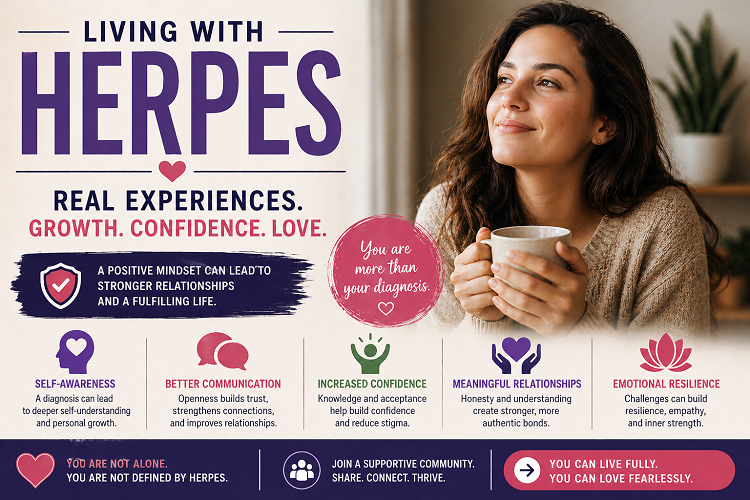
A herpes diagnosis can feel overwhelming at first. Many people experience fear, confusion, or anxiety about what it means for their future, especially when it comes to dating and relationships. However, over time, a growing number of individuals report something unexpected: a shift toward stronger self-awareness, clearer communication, and more intentional relationships.
This guide explores the real, research-backed perspectives on living with herpes, combining medical insights, psychological understanding, and lived experiences. It aims to provide clarity, reduce stigma, and help individuals move forward with confidence.
Understanding Herpes: A Common and Manageable Condition
Herpes simplex virus (HSV) is one of the most common viral conditions worldwide. According to the World Health Organization, billions of people globally carry HSV-1, and hundreds of millions live with HSV-2.
Key facts:
- Many people are asymptomatic
- Transmission can be managed with awareness and precautions
- It does not prevent long-term relationships or intimacy
The Centers for Disease Control and Prevention also emphasizes that HSV is a manageable condition, not a life-defining limitation.
The Emotional Journey After Diagnosis
The psychological impact of a diagnosis is often more significant than the physical symptoms.
Common Early Reactions
- Shock or disbelief
- Fear of rejection
- Anxiety about future relationships
- Concern about stigma
These responses are natural. According to research referenced by the American Psychological Association, individuals facing unexpected health diagnoses often go through adjustment phases similar to grief.
The Adjustment Phase
Over time, many people begin to:
- Learn accurate information
- Reframe their perspective
- Build coping strategies
- Develop emotional resilience
This transition is where growth begins.
Psychological Growth and Self-Awareness
One of the most consistently reported changes among people living with HSV is increased self-awareness.
1. Stronger Emotional Intelligence
Individuals often become more aware of:
- Their values
- Their relationship goals
- Their communication style
This aligns with psychological findings that adversity can enhance emotional processing and empathy.
2. Clearer Relationship Intentions
Rather than casual or unclear interactions, many people begin prioritizing:
- Trust
- Respect
- Emotional compatibility
This leads to more meaningful connections.
3. Improved Communication Skills
Discussing HSV requires honesty and clarity. Over time, this strengthens the ability to:
- Express needs
- Set boundaries
- Navigate difficult conversations
Relationship experts consistently highlight communication as a key predictor of long-term success.
Expert Insight: Why Adversity Can Strengthen Relationships
Psychological research suggests that facing challenges can improve relationship quality.
Insights commonly noted by therapists:
- Vulnerability builds trust
- Honest communication reduces misunderstandings
- Shared understanding deepens connection
These principles are supported by institutions like the Mayo Clinic, which emphasizes emotional well-being as a key factor in overall health.
Breaking the Stigma Around Herpes
Stigma remains one of the biggest barriers, but it is largely based on misinformation.
Key Reality
- HSV is widespread across all demographics
- It does not reflect personal character
- It is medically manageable
Education plays a critical role in changing perception. Public health organizations consistently stress that awareness reduces stigma.
Dating and Relationships with HSV
Dating with HSV often becomes more intentional.
What Changes
- Conversations become more honest
- Emotional compatibility becomes more important
- Trust develops earlier
Disclosure: A Key Moment
Disclosure is often seen as the most challenging step.
A clear and confident approach works best:
“I want to share something important. I have HSV, and I manage it responsibly. I’m happy to answer any questions.”
This type of communication:
- Builds trust
- Shows confidence
- Encourages openness
What Research Suggests
Behavioral studies indicate that:
- People respond more positively to confident communication
- Transparency improves relationship outcomes
- Rejection rates are often lower than expected when communication is clear
Real Benefits Reported by Individuals
While challenges exist, many people report meaningful positive changes over time.
1. More Authentic Relationships
Connections tend to be based on:
- Honesty
- Emotional depth
- Mutual understanding
2. Better Partner Selection
Individuals often become more selective, focusing on:
- Respectful partners
- Shared values
- Emotional maturity
3. Increased Self-Confidence
Confidence grows as individuals:
- Accept their condition
- Gain knowledge
- Build communication skills
4. Stronger Boundaries
Living with HSV often leads to:
- Clearer personal boundaries
- Better decision-making
- Healthier relationship dynamics
Addressing Common Concerns
Fear of Rejection
Rejection is part of dating for everyone. HSV may play a role in some cases, but:
- Many people are understanding
- Education improves acceptance
- The right partner values honesty
Concern About Transmission
With proper precautions:
- Risk can be significantly reduced
- Communication allows informed decisions
- Many couples maintain healthy relationships
Social Perception
Perception is evolving as awareness increases. Open conversations contribute to this shift.
Building a Positive Mindset
A constructive mindset supports long-term confidence.
Focus Areas
- Education over fear
- Communication over avoidance
- Confidence over self-doubt
Practical Steps
- Learn from trusted sources
- Practice disclosure conversations
- Engage with supportive communities
- Focus on personal growth
Supportive Environments and Communities
Connecting with others who share similar experiences can be helpful.
Benefits include:
- Reduced isolation
- Shared knowledge
- Emotional support
These environments often encourage open dialogue and understanding.
Taking the Next Step in Dating
For those ready to date:
- Be honest and direct
- Take time to build trust
- Focus on meaningful connection
Joining a platform designed for people living with HSV can simplify the process and create a more comfortable dating experience.
FAQs
Can you live a normal life with herpes?
Yes. HSV does not prevent relationships, intimacy, or long-term happiness.
Does herpes affect relationships?
It can change how relationships begin, but often leads to stronger communication and trust.
How do people cope emotionally?
Through education, support, and developing confidence over time.
Is dating still possible?
Yes. Many people form healthy and lasting relationships.
Author
Bond K. – Health and Relationship Researcher
Raju focuses on behavioral psychology, dating dynamics, and stigma reduction, helping individuals build confident and informed relationships.
Editorial Sources
- World Health Organization
- Centers for Disease Control and Prevention
- American Psychological Association
- Mayo Clinic
Conversion Section: Start Building Real Connections
If you’re ready to move forward with confidence:
- Join a supportive dating environment
- Connect with people who understand
- Build honest and meaningful relationships
Taking action is the first step toward a more confident and fulfilling dating experience.